

By Dr Effie Flourentzou, GMC-registered GP and aesthetic doctor
Epitomi Aesthetics, Epsom, Surrey
Acne and rosacea can look very similar at first glance. The difference is what is happening underneath. Acne is linked to blocked pores, so you often see blackheads, whiteheads and spots that come to a head. Rosacea is linked to inflamed, reactive skin, so you tend to see flushing, persistent redness and red bumps without blackheads.
That difference matters, because acne and rosacea are not treated in the same way. When rosacea is treated like acne, the skin often gets redder, hotter and more sensitive.
Not sure which one you have?
I can assess your skin and tell you in one appointment.
Dr Effie Flourentzou, GMC-registered doctor | Rated 5.0 from 52 Google reviews | Epsom, Surrey
I see this often in clinic. A patient has been using acne products for months. Their skin is not better. It is angrier.
They have been treating the wrong problem.
Rosacea or acne: the quick check
| Acne | Rosacea | |
|---|---|---|
| Blackheads and whiteheads | Yes | No |
| Redness that stays | No | Yes |
| Flushing | No | Yes |
| Where it appears | Face, chest, back | Middle of the face |
| Usually starts | Teens to thirties | After 30 |
| How the skin feels | Oily | Stinging, burning, reactive |
| Visible blood vessels | No | Often |
| Eye symptoms | No | Common |
If you remember one thing
Acne usually has blackheads or whiteheads. Rosacea does not.
That is one of the quickest clues.
How do I know if my acne is actually rosacea?
There are a few things I look for when a patient comes in with red bumps and sensitive skin.
1. Blackheads and whiteheads
This is the most useful starting point. Acne happens when pores become blocked. That is why blackheads and whiteheads are common.
Rosacea does not work that way. You can have red bumps and pus-filled spots with rosacea, but you do not usually see blackheads.
If your skin is covered in red bumps but there are no blocked pores, I start thinking about rosacea.
2. Redness that stays
With acne, the redness usually sits around individual spots.
With rosacea, the redness is often there before the bumps appear. It sits across the cheeks, nose, chin or centre of the forehead, and it does not fully disappear. It may come and go at first. Over time, it can start to stay.
3. Flushing
Flushing is a strong rosacea clue. If your face heats up or goes red with warmth, alcohol, stress, exercise, hot drinks or spicy food, that points more towards rosacea than acne.
Patients often describe it as heat in the skin. Not just redness. Heat.
4. Where it appears
Acne can appear on the face, chest, shoulders and back. Rosacea usually sits in the middle of the face: the cheeks, nose, chin and centre of the forehead.
5. When it started
Acne often starts in the teenage years, although adult acne is very common in women in their thirties and forties. Rosacea usually appears for the first time after 30.
So if your skin has become red, reactive and spotty in your thirties or forties, and you have never had acne before, it is worth checking whether this is rosacea.
6. How your skin feels
Acne-prone skin is often oily. Rosacea-prone skin is often reactive. It may sting, burn, flush or feel tight when you apply skincare.
This is one of the reasons people get stuck. They think they need stronger acne products, but the skin is already irritated. So every new product makes it worse.
7. Your eyes
Rosacea can affect the eyes. Some patients have dry, gritty, red or watery eyes as well as facial redness. Acne does not cause eye symptoms.
If your skin and eyes are both irritated, tell me at your appointment.
The NHS has a clear overview of rosacea symptoms if you would like to read more.
The five main symptoms of rosacea
You do not need all five to have rosacea. Some people start with flushing only. Others come in because their skin has become sensitive to products they used to tolerate.
Recognise three or more of these?
It is worth having your skin looked at properly. A free skin analysis is an easy first step.
Dr Effie Flourentzou, GMC-registered doctor | Rated 5.0 from 52 Google reviews | Epsom, Surrey
Can acne be mistaken for rosacea?
Yes. Very easily.
Rosacea can cause red bumps and pustules that look like acne, especially if you are trying to diagnose yourself from photos online. There is also an old term, “acne rosacea”, which adds to the confusion.
But rosacea is not acne. It is a different skin condition, with a different pattern and a different treatment approach.
You can also have both at the same time. I see this particularly in adult patients, where blocked pores, hormonal breakouts and facial redness overlap.
When that happens, the treatment plan needs to be careful. Many strong acne products can aggravate rosacea, so we have to treat the skin without overwhelming it.
What about fungal acne?
This is another condition people confuse with acne and rosacea.
“Fungal acne” is not true acne. It is linked to irritation of the hair follicles and an overgrowth of yeast that normally lives on the skin.
It usually looks like lots of small, similar-sized bumps. It is often itchy, and it commonly appears on the forehead, hairline, chest or back.
Rosacea is different. It tends to sit in the middle of the face, with flushing, redness and skin that stings or burns.
All three can cause bumps. They are not treated in the same way. This is why guessing is risky.
Why does rosacea seem to start suddenly?
Patients often say, “I never had this before. Why has it suddenly happened?”
Rosacea can feel sudden, but it usually builds quietly for a while before it becomes obvious.
The exact cause is not fully understood. We know it involves inflammation, blood vessels and an over-reactive skin response. It can also run in families.
A flare often follows a trigger. Common triggers include sun, heat, alcohol, stress, spicy food, hot drinks, hormonal change or a skincare product that was too harsh for your skin barrier.
That is why rosacea can seem to appear overnight, especially in your thirties or forties. The skin has often been becoming more reactive for some time. Then one trigger tips it over.
Why getting it wrong can make rosacea worse
This is the part I want patients to understand.
Acne products are usually designed to unblock pores, reduce oil and dry out active spots. Ingredients such as exfoliating acids and benzoyl peroxide can be very useful for the right type of acne.
But rosacea skin is different. It is already inflamed. It is already reactive. The barrier is often fragile.
So if you keep applying strong acne products to rosacea, the bumps may not improve, but the redness, burning and sensitivity can get worse.
1
The skin flares
Redness and bumps appear.
2
A stronger product goes on
The skin stings.
3
It looks like stubborn acne
So something harsher is tried, and the cycle repeats.
By the time many patients come to clinic, they have spent months, and a lot of money, trying to fix a problem they did not actually have.
How I treat acne and rosacea at Epitomi Aesthetics
The two plans are very different. That is why getting the diagnosis right comes first.
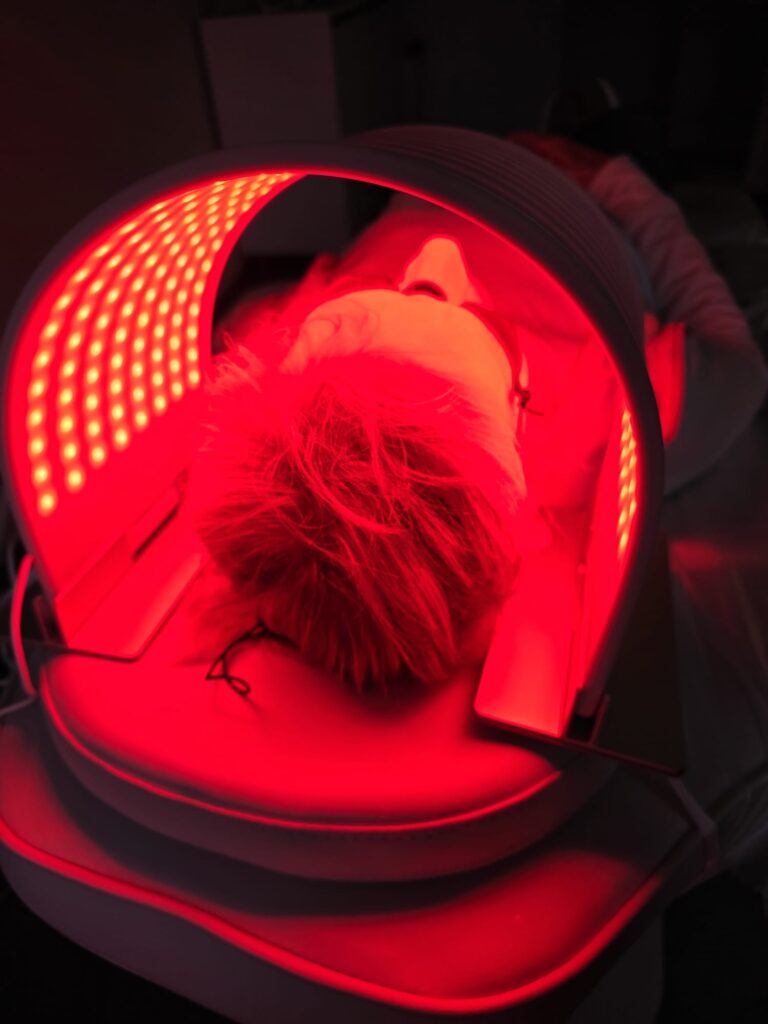
I do not offer laser treatment. If I think your rosacea needs laser, I will tell you and refer you appropriately.
If your spots have left dark marks behind, that is a separate concern again. I cover it on the pigmentation treatment page.
What happens at your appointment
There is no single blood test or swab that tells us whether you have acne or rosacea. The diagnosis comes from looking carefully at your skin and listening properly to your history.
1
We talk
I ask when it started, what makes it better or worse, whether you flush, whether your skin stings or burns, what products you have used and whether your eyes are affected.
2
I examine your skin
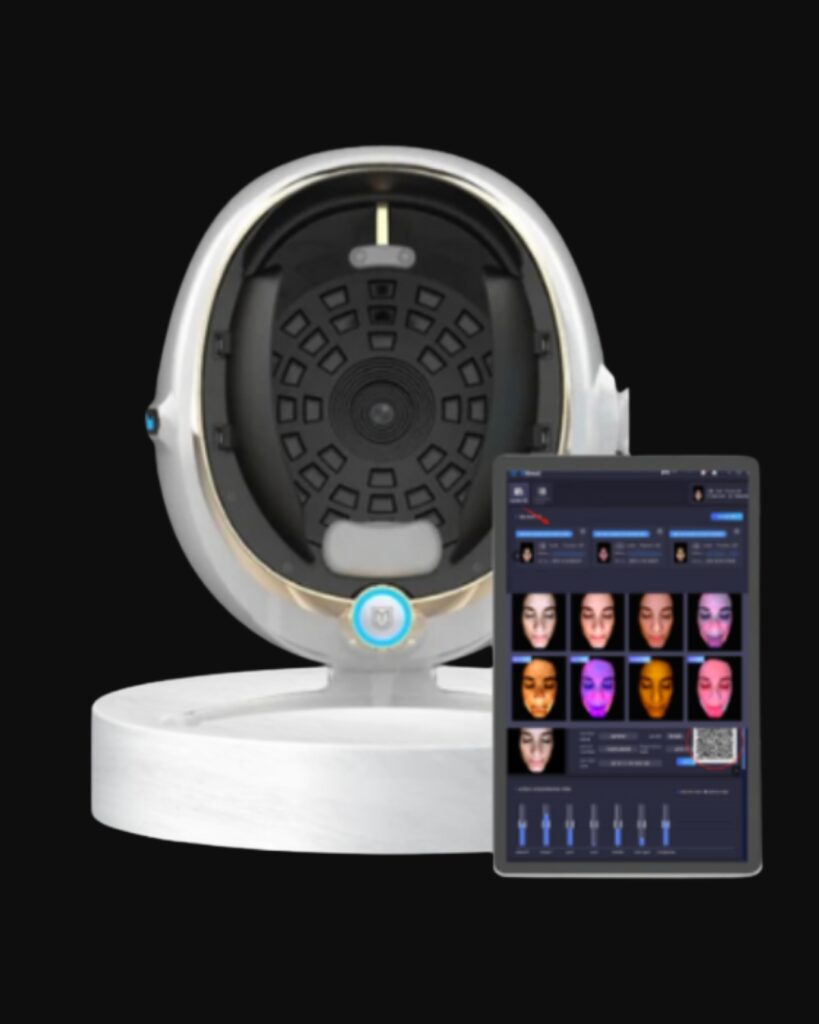
I look under good light and magnification for blackheads, whiteheads, blocked pores, redness and visible vessels. I also use skin analysis to look more closely at what is happening on and just under the surface.
3
You leave with a plan
I tell you what it is, what will help and what to stop using.
Once we know what we are treating, we can stop guessing.
When to get it checked
It is worth booking a skin consultation if:
- You have red bumps but no blackheads
- Your face flushes easily
- Redness is starting to stay
- Acne products make your skin sting, burn or look redder
- Your eyes feel dry, gritty or irritated
- You are over 30 and this is new
- You have been trying products for more than a couple of months without improvement
Rosacea is a long-term condition. It is managed rather than cured, but with the right plan it can become much calmer and less noticeable. Acne can also usually be brought under good control.
Either way, the first step is the same.
The first step
Find out what it is.
About the author
Dr Effie Flourentzou
GMC-registered GP and aesthetic doctor with a special interest in complex skin conditions, including acne, rosacea and pigmentation. Dr Effie assesses and treats every patient at Epitomi Aesthetics herself. Medical Aesthetics Rising Star of the Year 2025 (South East England), GHP Healthcare and Pharmaceutical Awards.
Read more about Dr EffieFrequently asked questions
How do I know if I have rosacea or acne?
Look for blackheads and whiteheads. Acne usually has them. Rosacea usually does not. Rosacea is more likely if you have flushing, redness that stays, skin that stings or burns, and bumps in the middle of the face.
Can acne be mistaken for rosacea?
Yes. Acne and rosacea can both cause red bumps and pustules, so they are often confused. Rosacea is especially likely to be mistaken for acne when there are spots but no blackheads.
Is “acne rosacea” a type of acne?
No. “Acne rosacea” is an old name for the type of rosacea that causes bumps and spots. It is rosacea, not acne.
Can you have rosacea and acne at the same time?
Yes. Some adults have both. When they overlap, treatment needs to be planned carefully so we treat the blocked pores without irritating the rosacea.
Is it fungal acne or rosacea?
Fungal acne usually causes lots of small, similar-looking bumps. It is often itchy and commonly appears on the forehead, hairline, chest or back. Rosacea usually affects the middle of the face and causes flushing, redness, stinging or burning.
Does benzoyl peroxide help rosacea?
Usually not. Benzoyl peroxide can help some types of acne, but it is often too drying and irritating for rosacea-prone skin. If your skin becomes redder, hotter or more sensitive when you use it, stop and get your skin assessed.
Why did I suddenly develop rosacea?
Rosacea often builds gradually, then flares after a trigger. Common triggers include sun, heat, alcohol, stress, spicy food, hot drinks, hormonal change and harsh skincare. It most often starts after 30.
Will a skin analysis show which one I have?
Skin analysis can help because it shows redness, visible vessels, blocked pores and texture more clearly. I use it alongside a proper examination and your history. Together, that gives a much clearer answer.
Where can I get rosacea or acne assessed in Surrey?
I see patients at Epitomi Aesthetics, 1st Floor, Highview House, Tattenham Crescent, Epsom KT18 5QJ, two minutes from Tattenham Corner station.
Not sure which you have?
Book a consultation and I will assess your skin, explain what is going on, and give you a clear plan. There is no pressure to go ahead with treatment. Just proper advice from a doctor who looks at skin every day.
Dr Effie Flourentzou, GMC-registered doctor | Rated 5.0 from 52 Google reviews | Epsom, Surrey