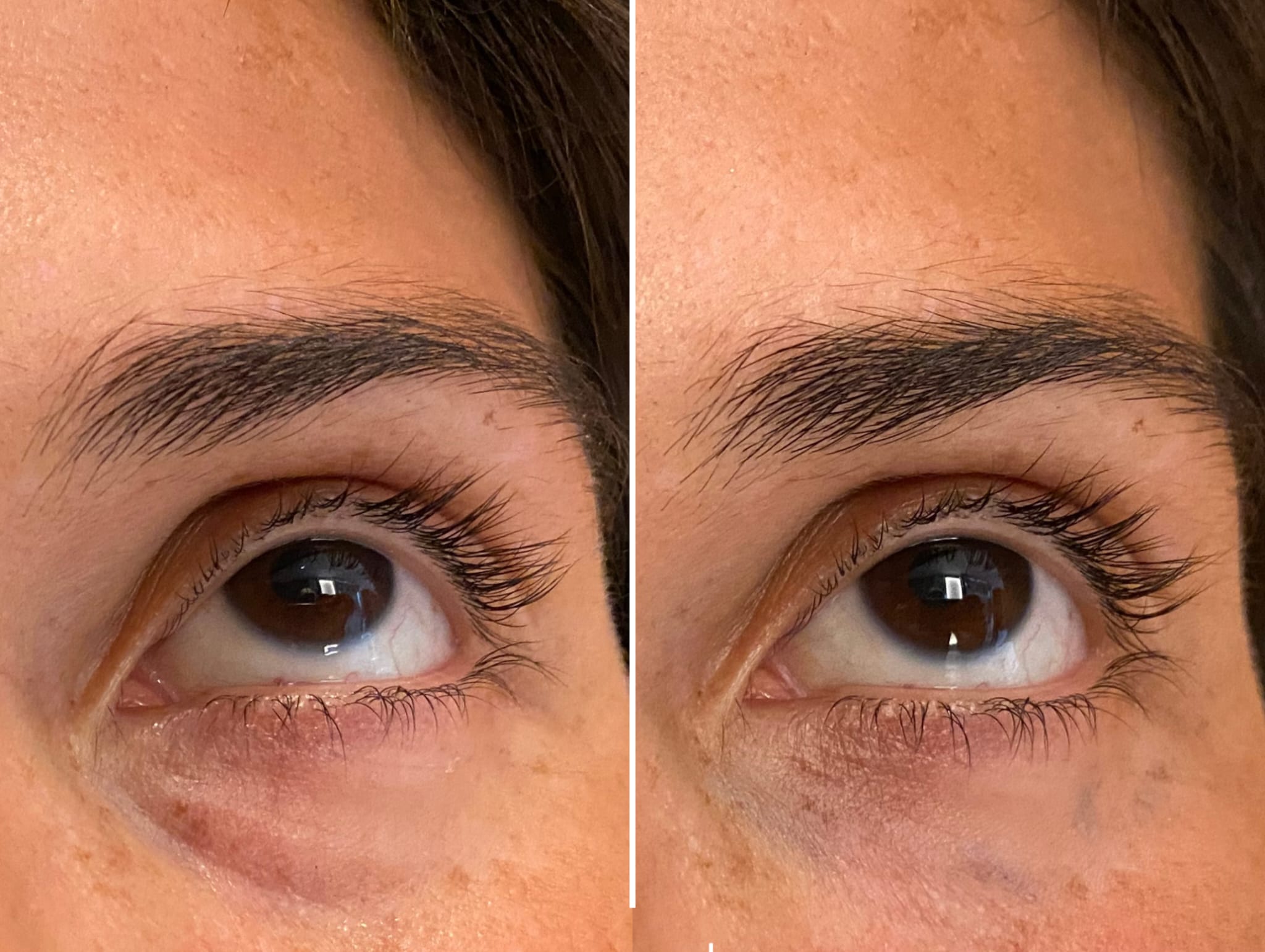
I hear this all the time in clinic. Patients tell me they feel fine, but their eyes say otherwise. Concealer settles into the little lines. Photographs look harsher than the mirror. Video calls are even worse because you catch yourself in the corner of the screen and think, “Why do I look so exhausted?”
Here is what matters.
Tired-looking eyes are not one problem. They are several different problems that can look very similar. Thin skin. Pigmentation. Hollowing. Fluid retention. Visible blood vessels. Sometimes genuine lack of sleep. Sometimes genetics.
So the treatment depends on the cause. Not the trend. Not what your friend had. Not what is popular on Instagram.
What polynucleotides are
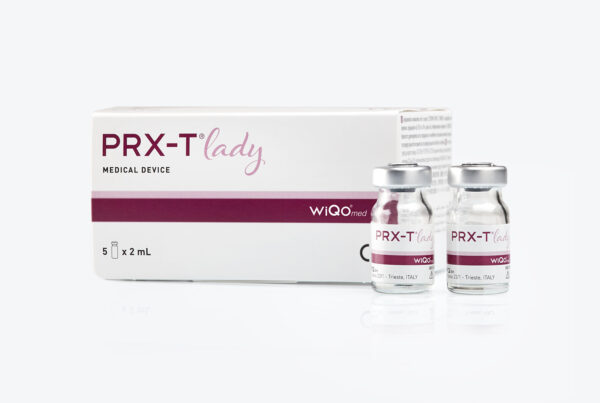
Polynucleotides are purified chains of nucleotides, which are the building blocks that make up DNA. The material used in aesthetic treatments is extracted and purified from fish sources, most commonly salmon or trout, then processed to a medical standard for injection.
They are used as an injectable skin treatment. Their role is to support hydration and overall skin quality. They are not there to add volume.
That distinction is important.
In the UK, polynucleotide injectables of this type are regulated as medical devices rather than as prescription-only medicines. But that does not make them casual or cosmetic in the throwaway sense. They are still injections. They are still placed into delicate tissue. And around the eyes, that matters even more.
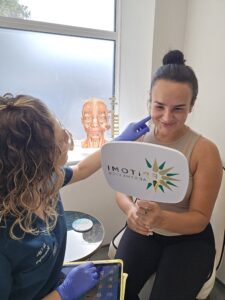
I offer polynucleotide treatment at my Epsom Downs clinic, but only after a proper assessment. I want patients to understand what this treatment is for before they book.
Why the under-eye area needs a different approach
The skin around the eyes is much thinner than the skin on the cheeks or jawline. There is very little supporting fat underneath it. The muscle sits close to the surface. And the area moves constantly.
Every blink. Every smile. Every squint.
That is why the under-eye area often shows dehydration, fine lines and texture changes earlier than the rest of the face.
It is also why I treat it carefully. A product that works beautifully in the cheek is not automatically right under the eye. Anything that draws too much water into this area can leave the patient looking puffy rather than refreshed.
And nobody wants that.
Placement, depth, product volume and technique all need to be adjusted for this region. This is why I do not treat under-eyes from a photograph or a quick phone enquiry. I need to see the skin properly. I need to assess the tissue. I need to understand what is causing the concern.
That is what a consultation is for.
Polynucleotides are not tear trough filler
This is probably the question I am asked most.
“Do I need polynucleotides or filler?”
The answer is not that one is better. They do different jobs.
Tear trough filler uses hyaluronic acid to address a structural hollow. If there is a genuine groove between the lower eyelid and cheek, filler may be placed to reduce the shadow created by that hollow. It is a volumising treatment. I offer dermal fillers and, in the right patient, tear trough treatment can be excellent.
But it is not for everyone.
Polynucleotides are different. They are not used to fill a hollow. They are considered when the issue is more about the condition of the skin itself, such as hydration, texture and thinness.
So a patient with crepey, dull under-eye skin is not the same as a patient with a deep tear trough. Some patients may be suitable for one. Some may be suitable for the other. Some may be considered for both in sequence. And some are best treated with neither.
That is a clinical decision. Not a menu choice.
A patient example
A typical example would be a patient in her forties who comes in convinced she needs tear trough filler.
She has noticed that her concealer sits badly under the eyes. The skin looks thin and a little crinkled when she smiles. She looks more tired at the end of the day, especially when she is dehydrated or has been working long hours.
But when I assess her in clinic, the hollow itself is mild. The main issue is skin quality.
In that situation, I would be cautious about filler. Adding volume to the wrong patient can make the under-eye area look heavy or puffy. It may not solve the thing she is actually seeing.
This is where polynucleotides may be discussed instead. Not because they are fashionable. Because the concern is coming from thin, crepey skin rather than a deep structural groove.
That is the difference.
Signs you may be more suited to polynucleotides
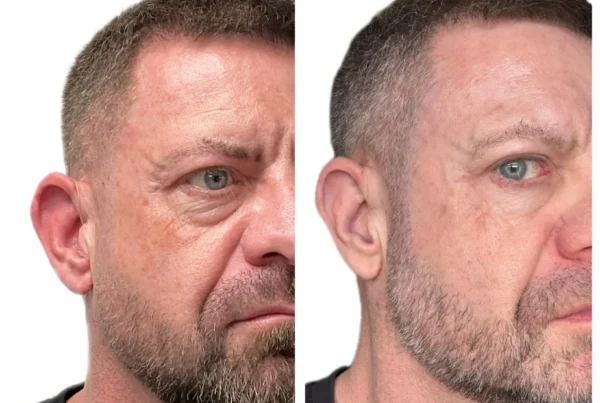
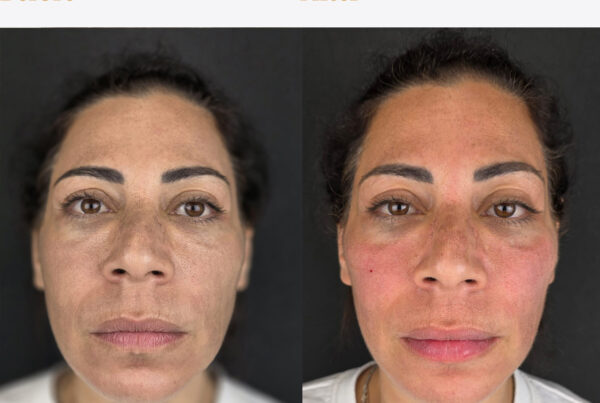
Polynucleotides may be considered when the under-eye skin looks thin, papery or crepey. You may notice fine lines that become more obvious when you smile. The area may look dull or a little flat in quality, rather than hollow in structure.
Patients often tell me it looks worse when they are tired, dehydrated or run down.
That is usually a skin-quality conversation.
Filler is a different conversation. If you have a defined groove or shadow that follows the line of the bone, and it is there every day in every light, that may suggest a structural or volume issue. In that case, I would assess you for filler rather than assuming a skin-quality treatment is enough.
Then there is the third group.
Some dark circles are caused by pigmentation. Some are vascular, where blood vessels show through thin skin. Some are linked to allergies. Some are inherited. And some are simply the face you have had since childhood.
Polynucleotides will not remove pigment. Filler will not remove pigment either. Neither treatment is a cure for every dark circle.
A good consultation should tell you what is possible. It should also tell you what is not.
If you want to understand your skin before deciding on treatment, my skin analysis is a sensible place to start.
What a course of treatment involves
Polynucleotide treatment is usually planned as a course. It is not a quick one-off appointment.
In my clinic, I typically plan an initial course of three to five sessions, spaced two to four weeks apart. The number depends on your skin and what we agree during consultation. Maintenance sessions are usually discussed at around six to nine month intervals afterwards.
The changes are gradual.
Nothing dramatic happens on the day. I would be cautious of anyone who tells you otherwise. Where patients do notice a difference, it usually builds over the weeks following the course rather than appearing immediately.
Results vary from person to person. I cannot promise a specific outcome for any individual.
What you may look like afterwards
This is the bit patients often want to know, and I think we should be honest about it.
You may have small injection point marks in the treated area. These usually settle within a day or so. Some patients bruise. The under-eye area bruises more easily than many other parts of the face because the skin is so thin.
Short-lived swelling or a slightly puffy appearance in the first day or two is also common and usually settles on its own.
So please do not book this the day before a wedding, a photoshoot or an important presentation. Leave yourself a clear week where possible.
After treatment, I ask patients to keep the area clean and leave it alone for the first twenty-four hours. Avoid makeup over the treated area on the day. Skip heat, saunas, steam rooms, strenuous exercise and alcohol for a couple of days.
And if anything worries you, contact the clinic. Do not sit at home wondering.
Who is not suitable
There are patients I will not treat. That is part of safe medical aesthetics.
Suitability is assessed at consultation. We discuss pregnancy and breastfeeding, active infection, inflammation or skin conditions in the treatment area, certain autoimmune conditions, allergies including fish allergy, your medical history and any medication you take.
Treatment is for adults aged 18 and over only.
I am open about screening because it matters. You can read my article on who is not suitable for plasma skin treatments for an example of how I approach this.
Polynucleotides also sit alongside other treatments. They do not replace everything else.
Depending on your assessment, skin boosters or Profhilo may be more appropriate. I have written a separate comparison of polynucleotides and Profhilo if you are weighing those up.
A plasma eye lift is different again. It works on eyelid skin laxity rather than skin hydration. It is not interchangeable with an injectable treatment.
Cost, and what to consider before booking in Epsom
At my clinic, polynucleotide treatment is £375 for a single session and £935 for a course of three. Prices are correct at the time of writing, so please check the current pricelist before booking.
Because this is a course-based treatment, the course price is the figure that matters.
Comparing single-session prices between clinics can be misleading because one session on its own is not the full protocol.
When choosing a clinic, there are three things I would insist on.
First, your injector should be medically qualified and appropriately trained in the periorbital area specifically. Not just injectables in general.
Second, you should have a proper consultation. That means an examination, a medical history and a discussion of alternatives. Not a sales conversation.
Third, the clinic should be willing to say no.
A practitioner who says yes to everyone is not assessing properly. The Joint Council for Cosmetic Practitioners publishes guidance for the public on checking a practitioner’s registration and training.
Book a consultation in Epsom Downs
If you recognise yourself in the crepey, dull, thin-skin description, the next step is an assessment.
We need to work out what is actually causing the appearance you are unhappy with. Once we know that, we can talk about whether polynucleotides are appropriate or whether another option makes more sense.
You can book a consultation online. If you are not sure which treatment you need, book a skin analysis instead. It is a lower-commitment starting point and gives us both a clearer picture before any decisions are made.
I know most of my patients work full time, so I hold evening appointments Monday to Thursday and I am open on Saturdays. The clinic is at 15 Highview House, Tattenham Crescent, Epsom, Surrey, KT18 5QJ.
You can also see the full range of treatments I offer.
Frequently asked questions
What are polynucleotides made from?
They are purified chains of nucleotides, the building blocks of DNA, extracted and purified from fish sources such as salmon or trout and processed to a medical standard for injection.
Are polynucleotides the same as tear trough filler?
No. Tear trough filler adds volume to address a structural hollow. Polynucleotides are intended to work on the hydration and quality of the skin itself. They treat different problems, so the right option depends on what is actually causing your concern.
Will polynucleotides get rid of my dark circles?
Not necessarily. Dark circles have several possible causes, including pigmentation, visible blood vessels under thin skin, allergic shadowing and inherited facial structure. Where the appearance is driven by poor skin quality, improving that skin may help. Where it is driven by pigment, vessels or bone structure, it will not. This is something I assess in person.
How many sessions will I need?
I typically plan a course of three to five sessions spaced two to four weeks apart, with maintenance discussed at around six to nine months. The exact plan depends on your assessment.
How long will I look swollen or bruised?
You should expect small injection point marks that usually settle within a day or so. Bruising and short-lived swelling are common in this area because the skin is thin. I advise leaving a clear week before any important event.
Is there any downtime?
There is no formal downtime in the sense of taking time off work, but there is a visible settling period of a few days. Avoid heat, saunas, strenuous exercise and alcohol for a couple of days, and leave the area alone for the first twenty-four hours.
How much does polynucleotide treatment cost in Epsom?
At my clinic it is £375 for a single session and £935 for a course of three. Prices are correct at the time of writing, so please check the current pricelist.
Who is not suitable for this treatment?
Suitability is assessed at consultation. The discussion covers pregnancy and breastfeeding, active infection or inflammation in the area, certain autoimmune conditions, allergies including fish allergy, your medical history and your medication. Treatment is for adults aged 18 and over.
Can I have polynucleotides and filler?
Sometimes, in sequence, if the assessment supports it. Sometimes neither is appropriate. That is a clinical decision made in person, not something I would advise on without seeing you.