

By Dr Effie Flourentzou, GMC-registered GP and aesthetic doctor
Epitomi Aesthetics, Epsom, Surrey
Hyperpigmentation simply means an area of skin that looks darker than the skin around it. Melasma and sun damage are two different types of hyperpigmentation, and they behave very differently.
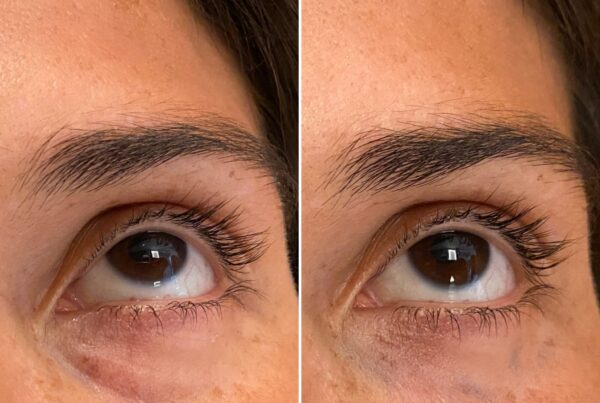
Melasma usually appears as larger, soft-edged patches. It often matches on both sides of the face and is influenced by hormones, sunlight and heat.
Sun damage usually appears as separate brown spots with clearer edges. These build up slowly over years of sun exposure.
They can look similar. They are not treated in the same way. And this is important: the wrong treatment can make melasma darker.
Want to know what type of pigmentation you have?
I can assess your skin and give you a plan in one appointment.
Dr Effie Flourentzou, GMC-registered doctor | Rated 5.0 from 52 Google reviews | Epsom, Surrey
I see this often in clinic. A patient has spent months using brightening serums, acids or strong treatments, but the patches have not improved. Sometimes they are darker than when they started.
The problem is not always effort. Often, it is that nobody has explained what type of pigmentation they have.
That is where we need to start.
Melasma, sun damage or freckles: the quick check
| Melasma | Sun damage, or sun spots | Freckles | |
|---|---|---|---|
| Shape | Larger patches, soft or blurry edges | Separate spots, clearer edges | Small, scattered dots |
| Pattern | Often matches on both sides of the face | Uneven and scattered | Usually across the nose and cheeks |
| Where | Cheeks, forehead, nose, upper lip | Face, hands, chest, forearms | Face, shoulders, arms |
| Main cause | Hormones, sunlight and heat | Years of sun exposure | Your genes, brought out by sun |
| Usually starts | Twenties to forties | Forties onwards | Childhood |
| Through the year | Often darker in summer, lighter in winter | Usually much the same | Often fade in winter |
| Outlook | Managed, tends to return | Usually responds well | Harmless |
If you remember one thing
Melasma usually looks more symmetrical. Sun damage usually looks more scattered.
That pattern is one of the biggest clues.
Melasma vs hyperpigmentation: what is the difference?
This is one of the most common questions patients ask me. The answer is simple.
Hyperpigmentation is the umbrella term. It means any patch of skin that has become darker than the surrounding skin.
Melasma is one type of hyperpigmentation.
There are three main types I look for in clinic.
Melasma
Melasma usually appears as brown or grey-brown patches with soft, uneven edges.
It often appears on both sides of the face in a similar pattern, especially on the cheeks, forehead, nose and upper lip. It is much more common in women and is closely linked to hormones, sun exposure and heat.
Sun damage
Sun damage is also called sun spots or age spots.
These are usually flat brown spots with a clearer edge. They can be freckle-sized or closer to the size of a five pence piece. They tend to build up slowly over years on areas that catch the sun, such as the face, chest, hands and forearms.
Marks left after inflammation
These are dark marks left behind after a spot, rash, burn, scratch or irritating treatment.
They sit exactly where the inflammation happened. They are often more common and longer-lasting in darker skin tones.
If your pigmentation follows breakouts, the first step is to treat the acne properly. You can read more about my approach to acne treatment in Epsom on the acne page.
Many patients have more than one type of pigmentation at the same time.
That is why guessing is difficult. And it is why the consultation matters.
Are freckles sun damage?
Not exactly.
Freckles are usually something your skin is genetically more likely to develop. The sun brings them out, which is why they often look darker in summer and lighter in winter.
Sun spots are different. They usually appear later in life. They do not fade in the same way in winter, and they are linked to sun exposure that has built up over many years.
So freckles are not the same as sun damage. But they do tell us something useful.
If you freckle easily, your skin is sensitive to the sun. Daily SPF matters.
Not just on holiday. Every day.
Melasma on the upper lip
A brown shadow above the top lip is one of the most common areas for melasma.
Patients often call it a melasma moustache or melasma mustache. I know how frustrating it can feel, because it can look like hair or staining even when it is not.
It is pigment.
The upper lip catches more sun than people realise, and it is one of the areas most commonly missed when applying sunscreen. Irritation in that area, including some hair removal methods, can also make the pigment look more obvious.
Melasma on the upper lip needs the same careful approach as melasma elsewhere.
The approach
Calm the pigment. Protect the skin. Avoid irritating it.
Strong and aggressive is not better here.
Recognise your own skin in this?
A free skin analysis shows where the pigment is sitting, and it is an easy first step.
Dr Effie Flourentzou, GMC-registered doctor | Rated 5.0 from 52 Google reviews | Epsom, Surrey
Melasma, pregnancy and hormones
Melasma often appears for the first time during pregnancy. This is why it is sometimes called the mask of pregnancy.
It can also start or worsen with hormonal contraception or other hormonal changes.
Pregnancy melasma may fade in the months after birth. Sometimes it stays.
If you are pregnant or breastfeeding, treatment options are more limited. I will always be clear about what is suitable, what is not suitable, and what should wait.
Daily sun protection is still one of the safest and most important steps.
Why it matters which type of pigmentation you have
This is where pigmentation treatment can go wrong.
Sun spots and melasma are not the same problem.
Sun spots are usually more straightforward. The pigment often sits closer to the surface, and the skin can respond well to the right skincare and professional treatments.
Melasma behaves differently.
With melasma, the pigment-producing cells are overactive. They can be triggered by sunlight, heat, hormones and irritation.
That means almost anything that inflames or heats the skin can make it worse.
Common melasma triggers
This is why I am cautious with melasma. The aim is not to attack the pigment as hard as possible. The aim is to calm the skin and control the triggers.
Gentle and consistent usually wins.
Can melasma be cured? Can sun damage be reversed?
I think it is important to be honest about this.
Can melasma be cured?
Melasma is a long-term condition. It can often be improved a great deal, and it can be kept under much better control.
But it is not cured. It can come back if the triggers come back, especially sun, heat and hormonal change.
Anyone promising to remove melasma permanently is overpromising.
Can you reverse sun damage?
You cannot undo every bit of sun exposure your skin has had.
But you can improve the look of sun-damaged skin. Brown spots can fade, tone can become more even, and skin texture can look healthier.
What you do from today matters. Good treatment can help, but daily sun protection is what stops more damage being added.
Sun protection is the treatment that matters most
For melasma and sun damage, nothing works properly without sun protection.
This is the part patients often underestimate.
If you are treating pigmentation but still getting daily UV and visible light exposure, the pigment is being switched back on.
My advice is:
- Wear broad-spectrum SPF 50 every day of the year
- Use it on cloudy days, not just sunny days
- Apply it if you sit near a window or drive regularly
- Reapply if you are outdoors for long periods
- Wear a hat in strong sun
- For melasma, choose a tinted mineral sunscreen where possible

Tinted mineral sunscreens are helpful for melasma because the tint helps block visible light as well as UV.
And remember, melasma is not only triggered by light. Heat matters too. Saunas, hot yoga, very hot kitchens and hot holidays can all flare it.
How I treat pigmentation at Epitomi Aesthetics
The treatment plan depends on the type of pigmentation. That is why I assess first.
I do not use heat-based treatments on melasma.
I do not offer laser. If I think laser is the right option for your pigmentation, I will tell you.
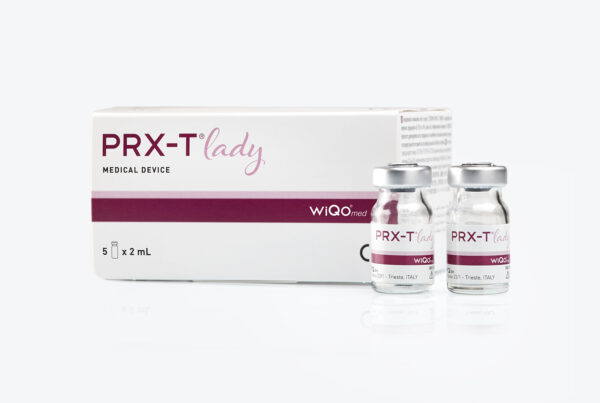
Pigmentation in intimate areas is treated separately. You can read about that on the PRX-T Lady page.
The full approach, including prices, is on my pigmentation treatment in Epsom page.
What happens at your appointment
1
We talk
I ask when the pigmentation started, whether it changes through the year, whether it began during pregnancy or after a change in contraception, and what you have already tried. Pigmentation is not just about what I can see. It is also about what triggers it.
2
I examine your skin
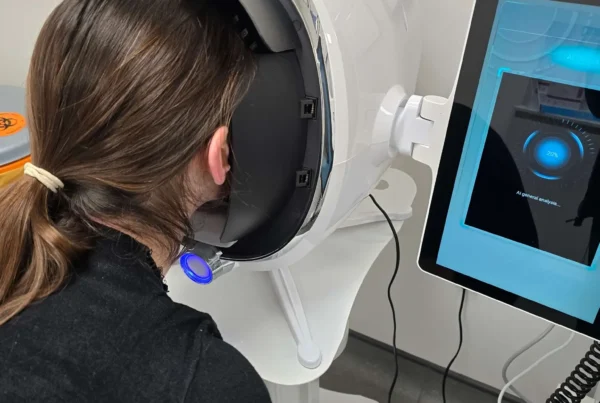
I assess your skin closely and use skin analysis to look at what is happening on and just under the surface, including sun damage that may not be fully visible yet.
3
You leave with a plan
I explain what type of pigmentation I think you have, what will help, what to stop using, and what is realistic. No guessing. No harsh treatment for the sake of doing something.
A quick doctor’s note
Melasma and sun spots are usually harmless. But not every brown mark should be treated cosmetically.
If you have a single mark or mole that is new, changing in size, shape or colour, has an irregular edge, itches, crusts or bleeds, please see your GP promptly.
That needs a medical check. Not a peel. Not skincare. Not a cosmetic treatment.
When to get pigmentation assessed
It is worth booking a pigmentation consultation if:
- You have brown patches on both cheeks, your forehead or your upper lip
- Your pigmentation gets darker every summer
- It started during pregnancy
- It started after a change in contraception
- A previous treatment made it worse
- You have tried products for several months with no real change
- You are not sure whether it is melasma, hyperpigmentation, sun damage or freckles
About the author
Dr Effie Flourentzou
GMC-registered GP and aesthetic doctor with a special interest in complex skin conditions, including acne, rosacea and pigmentation. Dr Effie assesses and treats every patient at Epitomi Aesthetics herself. Medical Aesthetics Rising Star of the Year 2025 (South East England), GHP Healthcare and Pharmaceutical Awards.
Read more about Dr EffieFrequently asked questions
What is the difference between melasma and hyperpigmentation?
Hyperpigmentation means any area of skin that is darker than the surrounding skin. Melasma is one type of hyperpigmentation. It is linked to hormones, sunlight and heat, and it usually appears as soft-edged patches that match on both sides of the face.
What is the difference between melasma and sun spots?
Sun spots are separate brown marks with clearer edges, caused by years of sun exposure. Melasma usually appears as larger, soft-edged patches that are more symmetrical across the face.
Are freckles sun damage?
Freckles are not the same as sun damage. Freckles are inherited and usually fade in winter. Sun spots appear later, tend not to fade in the same way, and are linked to built-up sun exposure.
Why do I have melasma on my upper lip?
The upper lip is a common area for melasma. It gets a lot of sun, is often missed with sunscreen, and can be irritated by some hair removal methods. This can make the pigment look darker or more obvious.
Does pregnancy melasma go away?
Sometimes. Pregnancy melasma often fades in the months after birth, but it can stay. Sun protection is important, and treatment options need to be chosen carefully during pregnancy and breastfeeding.
Does melasma go away on its own?
It can, especially if it is linked to pregnancy or hormonal contraception. But for many people, melasma becomes a long-term condition that gets lighter and darker depending on sun, heat, hormones and skincare.
Can you reverse sun damage?
You cannot erase past sun exposure completely. But the visible signs of sun damage, such as brown spots, uneven tone and rough texture, can often be improved. Daily SPF helps prevent more damage from building up.
Is a chemical peel good for melasma?
It can be, but only if the peel is chosen carefully and used as part of a wider plan. A peel that is too strong can irritate the skin and make melasma darker. With melasma, stronger is not always better.
What is the best sunscreen for melasma?
A broad-spectrum SPF 50 is important. For melasma, I usually recommend a tinted mineral sunscreen, because the tint helps block visible light as well as UV.
Why did my pigmentation get worse after a treatment?
Melasma can get darker if the skin is irritated or heated. Strong peels, harsh skincare and heat-based treatments can all trigger pigmentation if they are not chosen carefully.
Where can I get pigmentation assessed in Surrey?
I see patients at Epitomi Aesthetics, 1st Floor, Highview House, Tattenham Crescent, Epsom KT18 5QJ, two minutes from Tattenham Corner station.
Not sure what type of pigmentation you have?
Book a consultation and I will assess your skin, explain what type of pigmentation you have, and give you a clear plan. There is no pressure to go ahead with treatment. Just proper advice from a doctor who understands skin.
Dr Effie Flourentzou, GMC-registered doctor | Rated 5.0 from 52 Google reviews | Epsom, Surrey