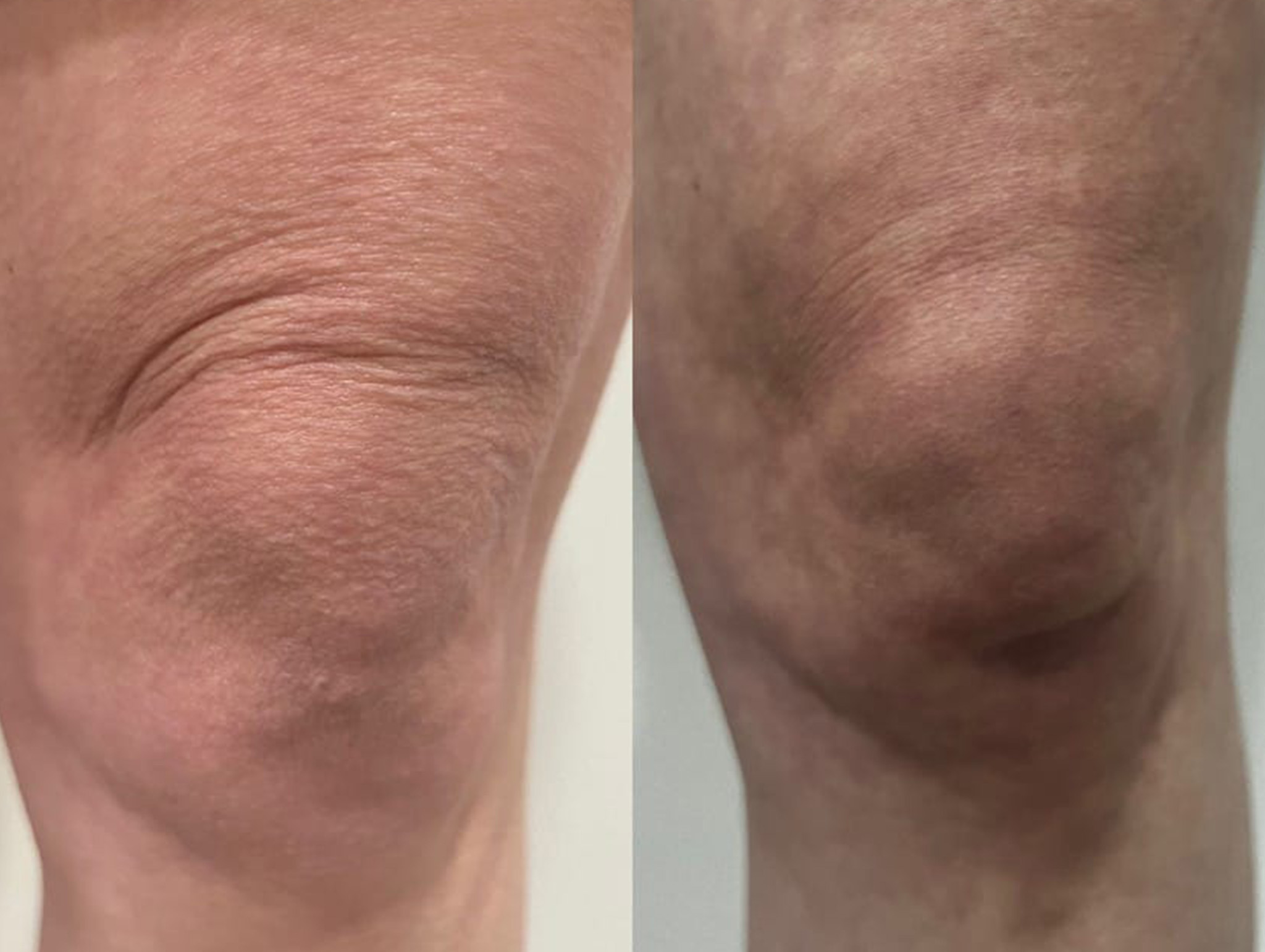
Polynucleotides and Profhilo are both injectable treatments that improve skin quality, but they work in different ways.
Profhilo hydrates and remodels the skin using pure hyaluronic acid, ideal for crepey, mildly lax skin. Polynucleotides, on the other hand, are regenerative injectables that repair tissue at a cellular level, stimulate fibroblasts, and improve long-term elasticity.
Profhilo vs Polynucleotides Treatment – Which Injection Is Right for Your Skin Goals?
Considering Profhilo in Epsom? Book a free skin analysis with Dr Effie to see if it’s right for your skin. Book a consultation →
Let’s talk polynucleotides treatment aka the ‘salmon sperm facial’ around Epsom Downs? Whether you’re walking past the iconic Racecourse or enjoying Horton Country Park, local patients want discreet, natural results. In this guide, we will compare two popular skin boosters: Polynucleotides and Profhilo. Both are popular treatments at Epitomi Aesthetics in Epsom Downs. You’ll learn how each works at a cellular level to boost collagen, improve elasticity, and rejuvenate tired skin. Learn more from me Dr Effie – Here’s everything you need to know.
What Is Polynucleotides Treatment?

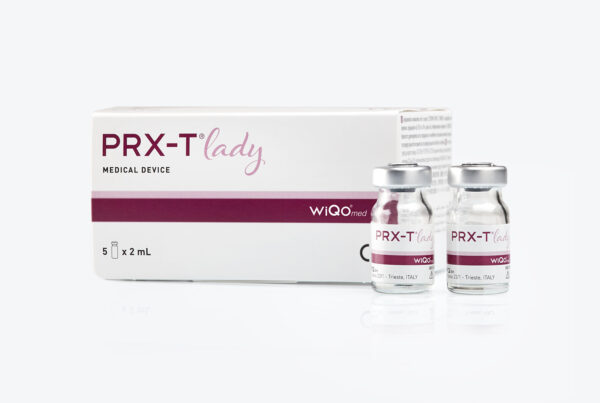
- Polynucleotide injections harness fragments of DNA and RNA, typically purified from salmon or fish sources. Polynucleotides are different from dermal fillers or regular hyaluronic acid
- skin boosters. They work as biostimulators. They help your skin slowly make more collagen and elastin.
- Polynucleotides entered the aesthetics market in 2020 in Europe. Brands like Plinest, Newest (Croma), and Nucleofill led the way.
- Many people consider Plinest the best choice for long-term regeneration. It has shown good results in fibroblast activity, collagen production, and deep skin renewal.
- Key Difference to other treatments, Anti-wrinkle injections relax muscles, while HA fillers add volume. Polynucleotides signal your fibroblasts to renew from within.
- Epitomi’s Ideal Candidate: Someone who wants better skin quality without looking over-filled. This is perfect for professionals in Epsom, Banstead, or Reigate who want to keep their natural expression.
How Do Polynucleotides Work?
Three synergistic actions underpin their power:
1. Biostimulation at the Cellular Level
Polynucleotide chains bind to A2A adenosine receptors on fibroblasts. This prompts new collagen and elastin synthesis over 4–8 weeks—far beyond a temporary “plumping” effect.
2. Hydration Matrix Creation
The long DNA/RNA strands form a meshwork that binds water three-dimensionally. Patients often describe a sudden dewy glow within 1–3 days because the skin holds fluid deep in the dermis.
3. Antioxidant & Angiogenic Support
These fragments scavenge free radicals, protecting cells from UV and pollution. They also encourage new capillary growth, enhancing tone and resilience in delicate areas like the eye area and neck. Recent trial data shows a 47% increase in skin thickness. There is also up to 52% more collagen fibers after a full treatment. These results highlight why experts view polynucleotide treatments as the next generation of skin boosters.
What Areas Can You Treat with Polynucleotides?
Polynucleotide injections are remarkably versatile:
- Face & Neck: Smooth fine lines and wrinkles around the forehead, cheeks and jawline.
- Eye Area: Target dark circles and under-eye hollows (tear-trough) without the risk of Tyndall effect seen in some HA fillers.
- Perioral & Delicate Zones: Improve skin texture around the mouth and perioral lines.
- Décolletage & Hands: Rejuvenate crepey skin and restore hydration to hands, a common sign of ageing.
- Scar Revision & Stretch Marks: Stimulate repair in acne scars, surgical lines or stretch marks.
- Polynucleotides for Hair Loss: Plinest has been clinically proven to stimulate trophic hair growth of the scalp.

At Epitomi Aesthetics, I pick the right product for you. This choice depends on your concerns and what you want to achieve.
What Are the Polynucleotides Treatment Side Effects?
Safety and minimal downtime are hallmarks:
- Common Reactions: Mild redness, pinpoint bleeding or swelling lasting 24–48 hours. Tiny bruises may appear but generally resolve in a few days.
- Rare Events: Infection or nodules are extremely uncommon with UKCA/ CE-approved, protein-free formulations.
Polynucleotides Treatment Aftercare Essentials:
1. Avoid Heat & Strain: No hot baths, saunas/stream rooms/hot tubs or vigorous exercise for 48 hours.
2. Sun Protection: Apply SPF 50 daily to shield new collagen.
3. Gentle Cleansing: Use a mild, pH-balanced cleanser.
4. Hands Off: No massaging or exfoliating treated sites for 72 hours. This aftercare ensures optimal skin texture enhancement and long-lasting results.
Polynucleotides Treatment vs Profhilo
Both are top-tier aesthetic treatments, yet they differ:
| Feature | Polynucleotides Treatment | Profhilo® |
|---|---|---|
| Composition | DNA/RNA fragments (biostimulator) | Hybrid high/low-MW hyaluronic acid |
| Mechanism | Produces collagen & elastin via biostimulation | Deep hydration, bioremodeling |
| Onset | Hydration in 1–3 days; full effect in 4–8 weeks | Visible lift in 1–2 days; peak at 4 weeks |
| Longevity | 3–6 months (up to 9 months cumulative) | 6–8 months |
| Sessions | 2–4 treatments, 2–4 weeks apart | 2 sessions, 4–6 weeks apart |
| Ideal For | Fine lines and wrinkles, delicate areas, eczema, psoriasis, rosacea, inflamed skin | Tissue laxity, overall lift |
| Downtime | Minimal (bruising/redness) | None |
Why choose one over the other?
- Opt for Profhilo if you prioritise immediate deep hydration and a quick office-lunch break session.
- Choose polynucleotides for a gradual, natural-looking renovation—ideal if your goal is true collagen remodelling rather than volume, if you want to improve the dark, baggy crepey skin of the undereyes or if you have inflamed skin as a result of psoriasis/eczema/ rosacea.
How Long Does Polynucleotide Treatment Last?
Duration depends on age, lifestyle and maintenance:
- Initial Results: Glow within days; collagen-rich structure by week 6.
- Typical Longevity: 3–6 months per course.
- Extended Benefit: Some studies cite up to 9 months, especially after repeat cycles—so-called “cumulative effect.”
For busy professionals its perfect with needing biannual top-ups offer a manageable schedule, aligning with seasonal skincare routines.
How Many Treatments Will I Need?
A bespoke plan might look like:
1. Foundation Phase: 3 sessions spaced 2–3 weeks apart to maximise skin booster effects.
2. Maintenance Phase: 1 session every 4–6 months to sustain collagen and elastin levels. My clinic’s custom plan considers your natural aging, past anti-wrinkle injections, and traditional dermal filer. This way, you get natural results. These results can be used alone or with other injectables and medical-grade skincare.
What Is the Polynucleotide Treatment Aftercare?
A structured aftercare plan protects your investment:
- First 48 Hours:
- Gentle cleansing only.
- No makeup on treated sites.
- Avoid heat and heavy sweating.
- Day 3–7:
- Resume mild exfoliation and serums.
- Continue SPF and antioxidant serums.
- Weeks 2–8:
- Monitor improvement in skin elasticity and texture.
- Schedule follow-up photos to chart collagen gains. This regimen ensures you capitalise on the anti-ageing cascade set in motion at the cellular level.
Polynucleotide Treatment Review
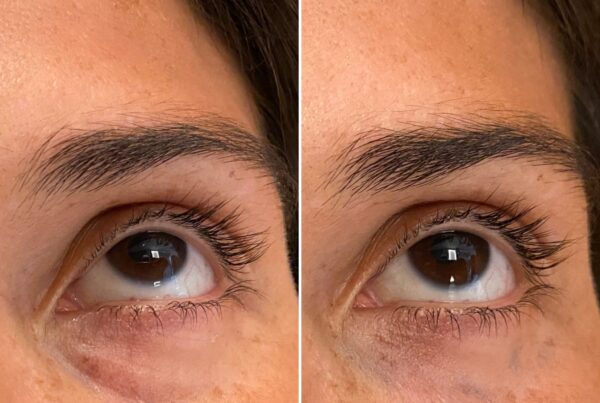
“After three spaced treatments I can really see the results of Polynucleotides now. It wasn’t a quick fix but definitely the right treatment for me in my pursuit to rejuvenating the skin around my 50 year old eyes!Trust Dr Effie. She is a true professional and knows her stuff. She’s patient, always listens and answers my many questions and is so generous in sharing her vast knowledge.She explains the pros, cons and risks to every treatment and product available, fully managing my expectations.I never feel rushed, always relaxed and comfortable. After much research and attempts at finding a professional I was happy to hand my skin over to, I’m so glad I found Dr Effie.She offers an honest, bespoke service, tailored exactly to your skin’s concerns. I’m battling between keeping her a secret but wanting to shout her name out from the rooftops” – Anna M Epsom Downs
This regimen ensures you capitalise on the anti-ageing cascade set in motion at the cellular level.
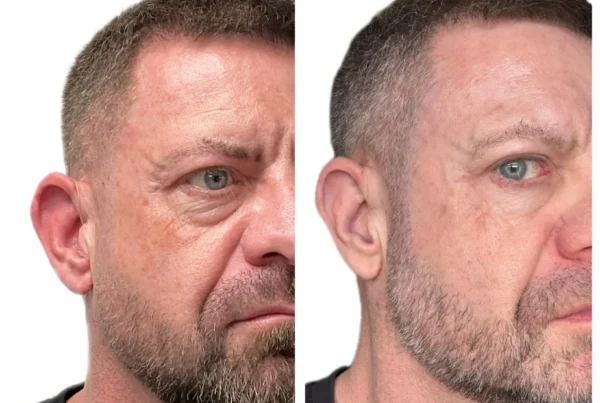
Polynucleotides Treatment Before and After

- Emerging Trend: Hybrid protocols pairing polynucleotides with microneedling or light PRP to produce collagen and elastin.
- Scientific Note: A 2024 study in Dermatologic Therapy found a 35% improvement in hydration. It also showed a 40% increase in epidermal thickness after using combined PN and HA treatments. These insights show why skin rejuvenation and biology-based treatments are becoming more popular than simple dermal fillers. This trend is part of the natural results movement in 2025.
What is Profhilo?
Profhilo is a CE-marked injectable made from highly concentrated pure hyaluronic acid (HA). Unlike traditional dermal fillers, it does not add volume or reshape facial features. Instead, Profhilo is designed to bio-remodel the skin, stimulating the production of collagen and elastin to improve skin firmness, hydration, and overall quality.
At Epitomi Aesthetics in Epsom, Profhilo is one of our most requested treatments for clients seeking visible skin improvement without a ‘filled’ look. It is particularly effective for crepey skin, early laxity, and the first signs of ageing.
How Profhilo Works
Once injected, Profhilo spreads beneath the skin and acts as a bio-stimulant. It encourages your body to produce more collagen and elastin while deeply hydrating the tissue. Unlike skin boosters or fillers, it doesn’t sit in one place or create volume instead, it improves overall skin texture, tone, and resilience.
Benefits of Profhilo
- Deep hydration with no added volume
- Increased skin elasticity and firmness
- Smoother, brighter, more youthful-looking skin
- No downtime or structural change
- Suitable for the face, neck, décolleté and hands
Who is Profhilo Best For?
Profhilo is ideal for individuals with:
- Mild to moderate skin laxity
- Fine lines or crepey texture
- Dehydrated or dull skin
- A desire for natural-looking, injectable-free results
Profhilo Treatment Plan at Epitomi Aesthetics
Our protocol includes two treatment sessions spaced four weeks apart, followed by maintenance every 6 to 9 months. While some improvement can be seen within the first few weeks, full results typically appear around 8 to 12 weeks after treatment.
This subtle, regenerative approach is ideal for those looking to enhance their skin health without altering facial structure — and fits beautifully into seasonal skincare planning or pre-event preparation.
Conclusion
You can choose the quick lift of Profhilo or the slow change of polynucleotides. Both treatments improve skin texture, boost collagen, and give a youthful, hydrated look. Why choose me, Dr Effie, at Epitomi Aesthetics in Epsom Downs?
As a registered GP and medical aesthetics practitioner, I help you achieve natural results. My goal is to provide long-lasting outcomes. My clinic is in a discreet location in Epsom Downs near
the famous Epsom Downs Racecourse.
I use trusted treatments in a friendly and private space. I have many 5-star Google reviews. This way, you can feel good about your skin and your choice of practitioner.
Our Epsom Skin Clinic Location
📍 We’re located at: Epitomi Aesthetics 15 High View House, Tattenham Cres, Epsom Downs, Surrey, KT18 5QJ
Short distance from Epsom Downs Racecourse.
FAQ
How long does polynucleotide treatment last?
Results typically last 6 to 9 months, depending on your skin’s condition and the number of sessions. Most clients see optimal results after an initial course of 3 treatments spaced 2–3 weeks apart, followed by maintenance every 6 months.
What is polynucleotide treatment good for?
Polynucleotides are ideal for skin rejuvenation and cellular repair. They help with: ● Fine lines and wrinkles
- Loss of elasticity
- Dark circles and under-eye hollows
- Acne scarring
- Dull or damaged skin
- Lines around the mouth (‘smoker’s lines’)
- Hair restoration
Are polynucleotides better than Botox?
They work differently. Botox relaxes muscles to smooth lines, while polynucleotides regenerate the skin from within. Many clients combine both for full-face rejuvenation—Botox for expression lines, polynucleotides for skin quality and bounce.
How do you treat polynucleotides around the mouth?
I use precision microinjections to deliver polynucleotides into the skin around the mouth, targeting fine lines, dehydration, and crepiness. It’s a popular option for restoring firmness and softening smoker’s lines without adding volume.
What lasts longer Polynucleotides or Profhilo?
Polynucleotides generally last longer than Profhilo, especially when used as part of a structured treatment plan. While Profhilo results typically last 3–4 months, Polynucleotides can maintain tissue quality for 6–9 months — and sometimes longer with regular maintenance.
That said, both treatments serve different purposes. Profhilo provides rapid hydration and short-term glow, while Polynucleotides work more deeply over time to regenerate tissue and improve long-term skin structure.
How to find Epitomi Aesthetics Epsom Downs in Surrey?
Epitomi Aesthetics is based at 15, Highview House, Epsom, Sutton KT18 5QJ. The clinic is easily accessible from Epsom town centre and Sutton, with straightforward routes by car and public transport. Google Maps provides the most accurate directions and parking guidance.
Ready to take the next step?
Epitomi Aesthetics is a doctor-led clinic in Epsom Downs specialising in Profhilo in Epsom. Book your consultation with Dr Effie today, or request a free skin analysis.