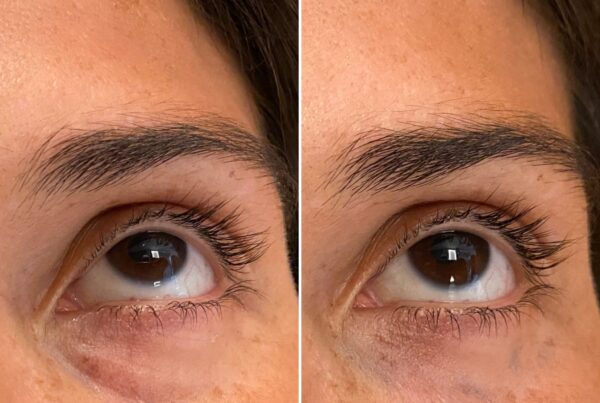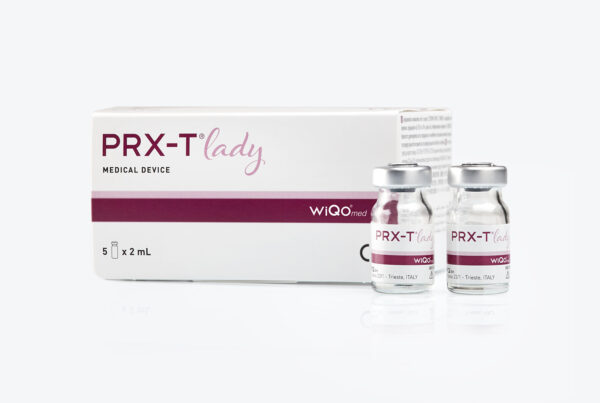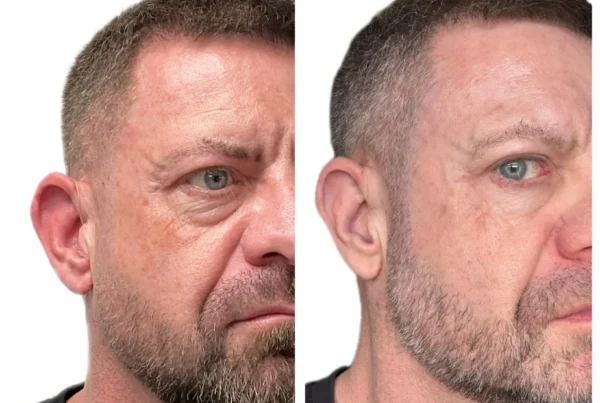
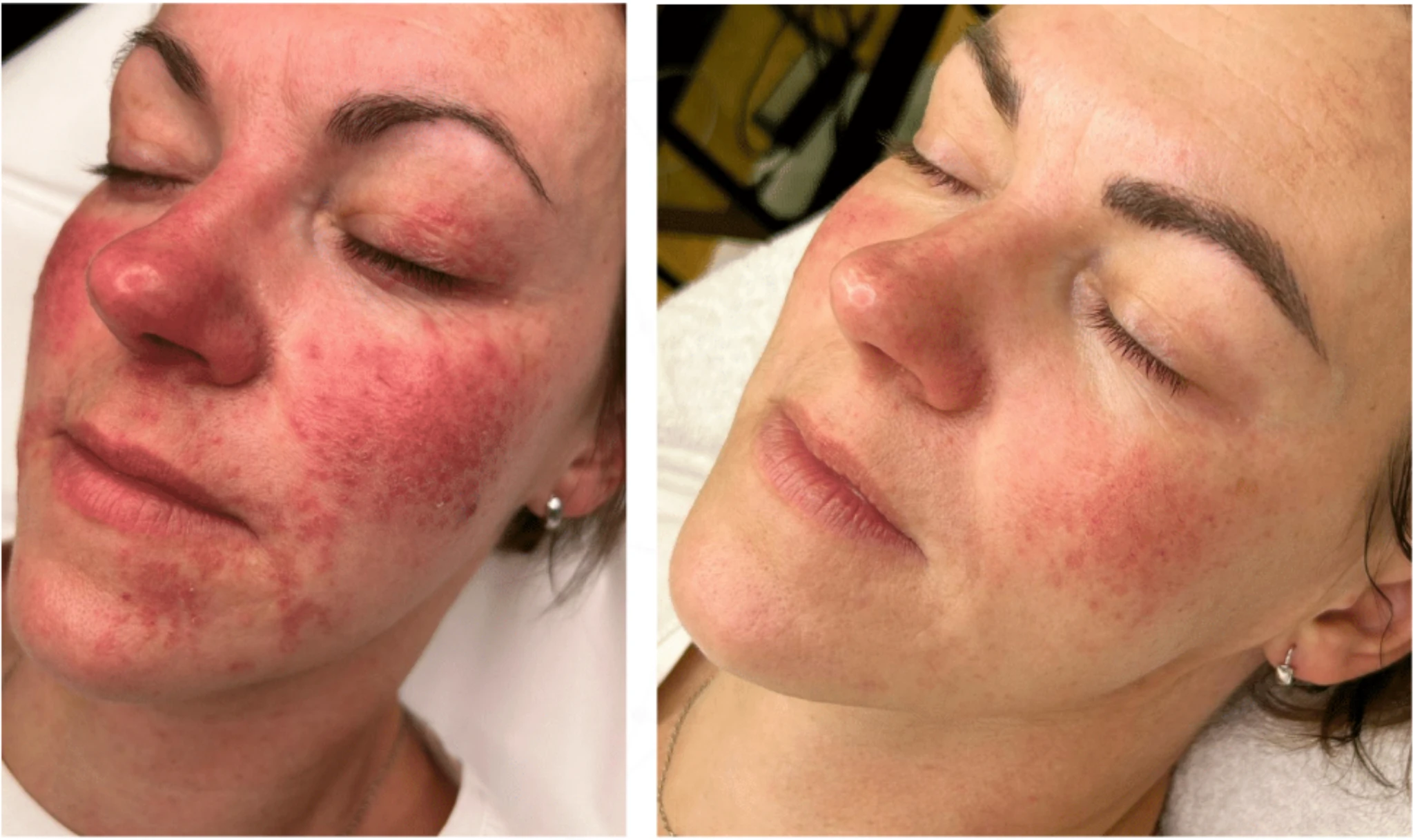
Plasma skin treatments historically were not suitable for everyone. For example patients with darker Fitzpatrick skin types, keloid scarring, recent isotretinoin use, active skin conditions, autoimmune disorders, poor wound healing, or unrealistic expectations may not be appropriate candidates.
However with Neogen specifically you can treat all Fitzpatrick skin types, unlike traditional lasers. With NeoGen you can treat Fitzpatrick skin types 3-5, firstly we will prep their skin with a tyrosinase inhibitor for 2-4 weeks prior for safe and effective results.
Below we outline absolute and relative contraindications, areas often overlooked by competitor clinics.
1. Patients with Fitzpatrick Skin Types IV–VI (Higher Pigmentation Risk)
Considering NeoGen Plasma in Epsom? Book a free skin analysis with Dr Effie to see if it’s right for your skin. Book a consultation →
Many plasma pen providers state that darker skin tones are not ideal candidates, but rarely explain why.
Plasma creates controlled thermal injury. In higher Fitzpatrick types (III, IV and VI), melanocytes are more reactive. This increases the risk of:
- Post-inflammatory hyperpigmentation
- Uneven pigmentation
- Prolonged colour changes
This does not mean all patients with darker skin are automatically excluded. But it does mean careful evaluation is required.
With Neogen plasma therapy we can treat these skin types but after careful assessment of your skin with our Skin Analysis scanner, we will prep your skin for 4 weeks with a specific skincare product containing tyrosinase inhibitor, that will dampen down the reactivity of the melanocytes and reduce the risk of post inflammatory hyperpigmention.
2. Patients Prone to Keloid or Hypertrophic Scarring
Because plasma treatment causes a controlled skin injury, people with abnormal scarring may not be ideal candidates.
If you have:
- Keloid scars
- Raised surgical scars
- A history of excessive scar formation
Plasma skin tightening may increase risk of poor healing or visible marks. A thorough medical consultation is essential before proceeding.
3. Those with Active Skin Conditions
Plasma skin treatments should be avoided if there is:
- Dermatitis or eczema flare
- Active rosacea inflammation
- Cold sores in the treatment area
- Skin infections
Treating compromised skin increases risk of complications and poor healing.
We always stabilise skin health first, often adjusting skincare products and preparing the skin before considering treatment.
4. Recent Isotretinoin (Roaccutane) Use
Patients who have taken isotretinoin within the past 6–12 months may have impaired wound healing.
Because plasma skin tightening relies on controlled tissue repair and collagen regeneration, compromised healing can increase:
- Prolonged redness
- Delayed recovery
- Risk of scarring
This is a strict screening point during consultation and we would wait a minimum of 6 months after using Isotretinoin.
5. Autoimmune or Connective Tissue Disorders
Conditions affecting healing, such as lupus, scleroderma, or poorly controlled diabetes, may reduce predictability of outcome. While plasma skin tightening treatments stimulate collagen production, underlying systemic conditions can impair tissue repair.
This does not automatically exclude treatment, but requires medical oversight and case-by-case assessment.
6. Patients Expecting a Surgical-Level Lift
Plasma skin tightening is not cosmetic surgery.
If someone presents with:
- Significant lower face laxity
- Advanced jowling
- Heavy neck skin excess
Surgical procedures may be more appropriate. Ethical clinics must recognise when plasma treatment is not suitable and refer appropriately. At Epitomi, long-term structural balance always comes before short-term gain.
7. Those Unable to Commit to Downtime
Plasma pen treatments in particular create visible carbon crusts that last 5–10 days.
Even with NeoGen Plasma, although you do not experience carbon crusts, redness and mild swelling are expected during recovery.
Patients with imminent events, weddings, or travel commitments may not be suitable at that time, planning matters.
8. Unrealistic Expectations or Psychological Concerns
Plasma treatment improves skin tightening and texture – it does not change identity.
Patients seeking dramatic transformation or perfection may not be appropriate candidates.
During consultation, we assess expectations carefully. Emotional readiness is as important as physical suitability.
Plasma Pen vs NeoGen Plasma: Why the Difference Matters
| Feature | Plasma Pen (Fibroblast) | NeoGen Plasma (Nitrogen Plasma) |
|---|---|---|
| Energy Type | Plasma arc creating surface sublimation | Nitrogen-based plasma energy with controlled thermal delivery |
| Depth of Effect | Primarily superficial (epidermal) | Multi-layered (epidermis + dermis) |
| Skin Surface Impact | Creates visible carbon crusts (“dots”) | Controlled resurfacing with adjustable depth |
| Collagen Stimulation | Surface-triggered healing response | Deep collagen remodelling and tissue contraction |
| Precision Control | Operator-dependent spot placement | Calibrated energy levels with medical-grade control |
| Downtime | 5–10 days visible crusting | Redness and swelling; recovery varies by intensity |
| Pigmentation Risk | Higher risk in darker skin tones | Requires screening using skin analysis; risk varies by skin type |
| Best For | Small, localised areas | Broader rejuvenation, skin tightening and texture improvement |
| Suitability Assessment | Often limited screening | Full medical consultation + Visage Skin Pro Skin Analysis |
| Clinical Oversight | Frequently offered in non-medical settings | Doctor-led treatment planning |
Why Thorough Consultation Is Essential
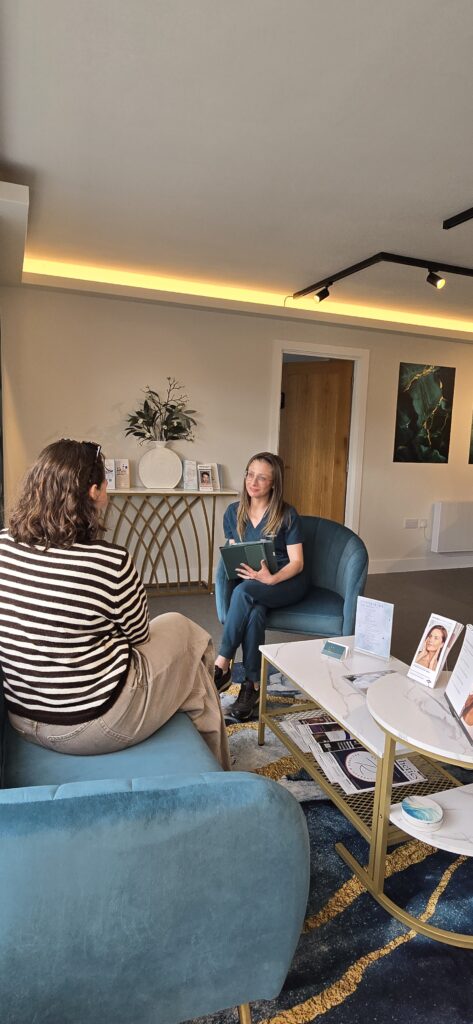
Before any plasma skin treatments at Epitomi, patients undergo:
- Full medical history review
- Skin examination
- Fitzpatrick classification
- Healing risk assessment
- Discussion of skincare products
- Visage Skin Pro Skin Analysis
The Visage skin analysis system evaluates:
- Pigmentation levels
- Skin thickness
- Elasticity markers
- Hydration status
- UV damage
This ensures treatment is suitable not just visually, but biologically. No same-day pressure, no rushed decisions, just careful planning.
Industry Insight: The Rise of Plasma and Why Screening Matters
Plasma treatments have gained popularity due to claims of “non-surgical lifts” and long-lasting results.
However, some clinics oversimplify suitability.
Search results often highlight:
- Immediate tightening
- Long-lasting results
- Dramatic reduction of fine lines and wrinkles
Few discuss:
- Pigmentation risks
- Healing variability
- Scar predisposition
- Anatomical suitability
This gap is precisely why medical oversight is critical. At Epitomi Aesthetics in Epsom Downs, patient selection is the foundation of safe, effective outcomes.
When Plasma Skin Tightening IS Suitable
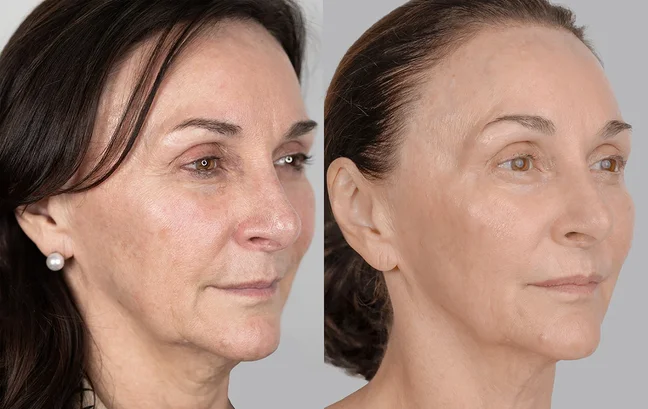
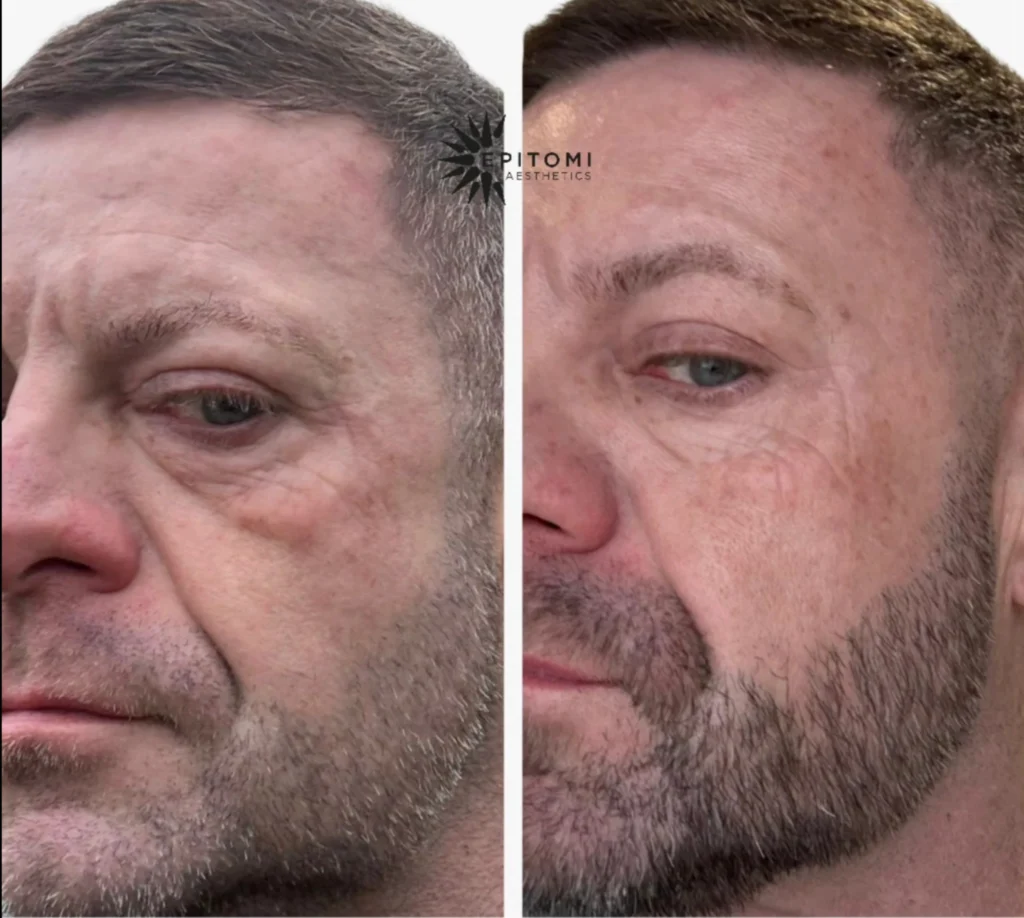
For appropriate candidates, typically aged 30 and over with mild to moderate laxity plasma skin tightening can:
- Improve skin surface texture
- Reduce fine lines and wrinkles
- Stimulate collagen production
- Provide visible tightening
The key is ensuring the treatment is suitable before proceeding.
Choosing the Right Clinic in Epsom
If you are researching plasma skin treatments in Epsom Downs, Banstead, Ashtead, Leatherhead, Tadworth, Ewell or Reigate, look for:
- Doctor-led assessment
- Structured contraindication screening
- Clear explanation of risks
- Skin analysis technology
- Honest discussion of surgical alternatives
Technology matters, but clinical judgement matters more.
The Bottom Line
Plasma skin tightening is powerful. It can rejuvenate the skin surface and stimulate collagen production. But it is not suitable for everyone. Identifying who should not proceed is what protects long-term outcomes and maintains skin health.
At Epitomi Aesthetics in Epsom Downs, our commitment is simple:
- Safety first.
- Suitability first.
- Results that look natural.
Learn More About NeoGen Plasma Treatment
If you are considering plasma treatment and want a full suitability assessment, we would be happy to guide you.
Learn more about NeoGen Plasma Treatment and discover whether it is right for your skin.
What is plasma skin treatment?
Plasma skin treatment is a non-surgical skin tightening procedure. It uses ionised gas energy (plasma) to create controlled heat damage. This affects the skin surface and deeper dermal layers. This stimulates collagen production and encourages skin regeneration.
There are different types of plasma treatment. These include plasma pen (fibroblast) devices and nitrogen plasma technologies like NeoGen Plasma. The depth and healing response vary depending on the device used.
What is plasma treatment for skin?
Plasma treatment for skin is used to improve:
- Fine lines and wrinkles
- Mild to moderate skin laxity
- Uneven texture
- Crepey skin
- Early jowling
It works by stimulating the body’s natural healing response, encouraging collagen and elastin remodelling over time.
It is not a replacement for cosmetic surgery in cases of severe sagging skin.
How does plasma skin treatment work?
Plasma skin treatments work by delivering controlled heat energy to the skin. The plasma energy interacts with the skin surface, creating micro-injury that triggers collagen production and tissue contraction.
With plasma pen devices, the treatment causes small carbon crusts to form on the surface as the skin heals.
With nitrogen-based plasma systems like NeoGen Plasma, controlled thermal remodelling occurs at multiple depths, allowing tightening and resurfacing simultaneously.
Results develop gradually over several weeks as collagen regenerates.
How does plasma skin treatment differ from other skin tightening treatments?
Plasma skin tightening differs from radiofrequency and high intensity focused ultrasound because it directly interacts with the skin surface while also stimulating deeper collagen.
It provides resurfacing and tightening. Some other skin tightening treatments focus only on deeper layers. They may not improve skin texture.
The choice of technology depends on whether the treatment is suitable for your anatomy and skin type.
How to lighten skin after plasma treatment?
Temporary darkening or hyperpigmentation can occur during healing, particularly in higher Fitzpatrick skin types.
To support even recovery:
- Use SPF 50+ daily
- Avoid sun exposure
- Follow prescribed post-treatment skincare products
- Avoid picking or peeling
- Use pigment-regulating products if recommended
At Epitomi Aesthetics in Epsom Downs, we check pigmentation risk before treatment. We use Visage Skin Pro Skin Analysis to reduce this risk.
Is skin plasma a new treatment?
Plasma technology has existed in medical settings for many years. However, its use in aesthetic skin tightening has grown significantly over the past decade.
While plasma pen treatments are popular online, newer systems like nitrogen plasma offer better control and safety. The treatment itself is not entirely new, but its refinement continues to develop.
What does plasma skin treatment do?
Plasma skin treatment:
- Stimulates collagen production
- Tightens mild to moderate loose skin
- Improves skin surface texture
- Softens fine lines and wrinkles
- Encourages natural skin regeneration
The extent of improvement depends on skin quality, age and suitability.
Ready to take the next step?
Epitomi Aesthetics is a doctor-led clinic in Epsom Downs specialising in NeoGen Plasma in Epsom. Book your consultation with Dr Effie today, or request a free skin analysis.